
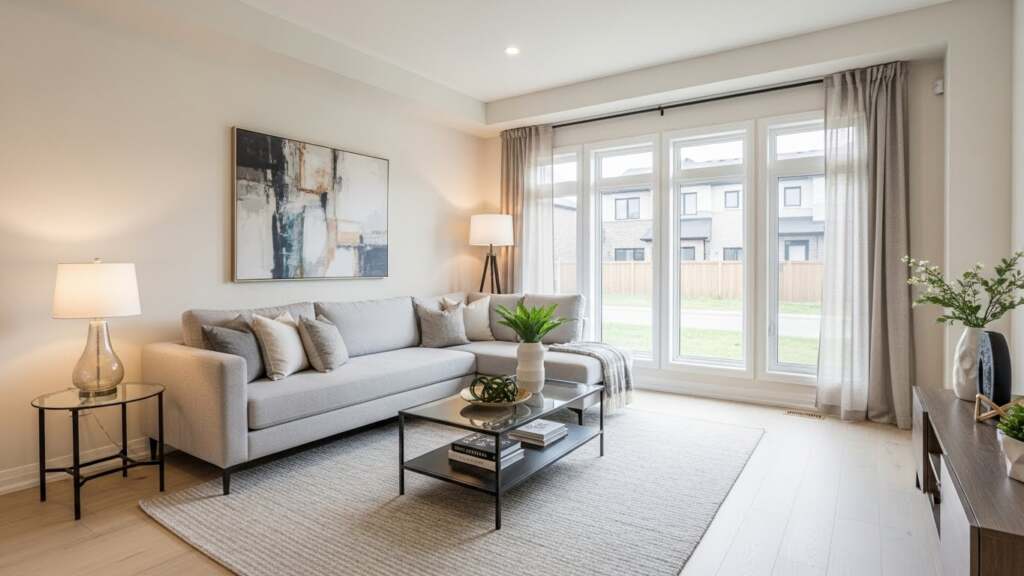

Selling a home can feel overwhelming, especially if it’s your first time. From cleaning to repairs, and staging to pricing, there’s a lot to think about. Many homeowners worry about making mistakes that can delay the sale or reduce their home’s value. The good news? With the right preparation, you can simplify the process, attract serious buyers, and sell faster.
This guide will walk you through a complete checklist to prepare your home for sale. You’ll learn actionable steps, insider tips, and what real estate agents recommend to maximize your home’s appeal and value. By the end, you’ll have a clear roadmap that helps your property stand out in the market.
How to Prepare Your Home for Sale?
In simple terms, preparing your home for sale means making it clean, decluttered, and visually appealing. Focus on repairs, fresh paint, staging, curb appeal, and proper marketing. This ensures buyers see your home’s potential and helps sell faster at the best price.
Understanding the Basics: What It Means to Prepare Your Home for Sale
Prepare Your Home for Sale refers to the process of getting your property market-ready. It applies to homeowners, landlords, and real estate investors.
Why it exists:
- Homes that are clean, organized, and well-maintained sell faster and often for higher prices.
- Proper preparation reduces negotiation issues and helps buyers visualize living there.
Who should do it:
- Homeowners planning to sell within 3–6 months
- Families moving to a new city
- Investors looking for maximum ROI
Official guidance: Many real estate associations, including the National Association of Realtors (NAR), emphasize preparation, staging, and maintenance as key steps to improve marketability.
Step-by-Step Home Preparation Checklist
Here’s a structured plan you can follow to get your home ready.
| Step | Action | Why It Matters |
|---|---|---|
| 1. Declutter & Depersonalize | Remove personal items, excess furniture, and clutter | Helps buyers imagine themselves in the space |
| 2. Deep Clean | Carpet cleaning, window washing, scrubbing kitchens & bathrooms | Makes the home appear well-maintained and move-in ready |
| 3. Minor Repairs | Fix leaky faucets, squeaky doors, chipped paint | Prevents buyers from questioning overall upkeep |
| 4. Fresh Paint | Neutral colors on walls and trim | Creates a fresh, appealing canvas for buyers |
| 5. Curb Appeal | Lawn care, clean walkway, outdoor lighting | First impressions drive buyer interest |
| 6. Home Staging | Arrange furniture, add décor, maximize light | Highlights the home’s best features and makes spaces look larger |
| 7. Professional Photos | High-quality listing photos, virtual tours | Increases online clicks and attracts serious buyers |
| 8. Pre-Listing Inspection (Optional) | Identify potential issues before listing | Avoids surprises during buyer inspections |
| 9. Market Preparation | Set the right price, highlight upgrades, list online | Ensures a strong, competitive market presence |
Declutter and Depersonalize Your Home
One of the first steps in preparing your home for sale is decluttering. Remove personal items like family photos, memorabilia, and unique décor. This allows potential buyers to imagine themselves living there.
Tips:
- Donate unused items
- Organize closets and storage spaces
- Keep counters and surfaces clean and minimal
Decluttering is not just about looks, it signals to buyers that the home has been cared for and maintained.
Deep Cleaning: Make Your Home Shine
A clean home can significantly increase buyer interest. Focus on:
- Carpets and flooring
- Windows and mirrors
- Kitchen appliances and counters
- Bathrooms and fixtures
In simple terms, a spotless home tells buyers that the property has been well-kept and reduces doubts about hidden problems.
Minor Repairs and Upgrades
Address small repairs before listing your home. These include:
- Fixing leaky faucets
- Repairing holes in walls or chipped paint
- Tightening loose handles or doors
Even small upgrades like new cabinet handles or light fixtures can modernize the space and improve perceived value.
Boost Your Home’s Curb Appeal
First impressions matter. The exterior of your home is what buyers notice first. Key tips include:
- Mow the lawn and trim hedges
- Power wash the exterior and driveway
- Add potted plants or flowers
- Ensure exterior lights work
A welcoming exterior increases the likelihood of buyers scheduling a showing.
Home Staging Tips: Make Your Home Irresistible to Buyers
Staging your home is more than just arranging furniture, it’s about creating an environment where buyers can imagine themselves living comfortably. A well-staged home draws attention to your property’s best features, makes rooms feel larger, and highlights the lifestyle potential of each space.
Here’s how to stage effectively:
1. Maximize Natural Light
Natural light makes spaces feel open, warm, and inviting. Open all curtains and blinds, clean windows inside and out, and remove any obstructions that block light. Consider adding mirrors strategically to reflect sunlight and brighten darker areas. Even a small, naturally lit room can appear larger and more appealing.
2. Arrange Furniture to Create Flow
Proper furniture placement allows buyers to move freely and visualize how they could use each room. Avoid overcrowding; remove bulky pieces if necessary. In living areas, group seating around conversation points, and in bedrooms, ensure beds and wardrobes are positioned to maximize walking space. Think about the “walkthrough experience” buyers should be able to explore every corner without feeling cramped.
3. Use Neutral Décor
Neutral colors, like soft whites, beige, or light gray, appeal to a wider audience. Bold or personalized décor can distract buyers and make it harder for them to imagine their own style in the home. Accent pieces like cushions, throws, and rugs in subtle tones can add warmth without overpowering the space. Simple art or plants can also make rooms feel welcoming.
4. Highlight Focal Points
Every home has features that set it apart a fireplace, bay window, high ceilings, or a stunning view. Arrange furniture and décor to draw attention to these focal points. For example, place a cozy seating area around a fireplace, or position chairs to frame a scenic window. This helps buyers remember the home’s standout features.
5. Consider Professional Staging
While DIY staging can be effective, professional home stagers bring expertise in furniture arrangement, color schemes, lighting, and accessories. They know how to create a neutral yet appealing environment that photographs well and impresses buyers in person. Studies consistently show that staged homes sell faster and often for a higher price compared to non-staged homes.
Bonus Tip:
Don’t forget small details that make a big impression fluff pillows, fold throws neatly, replace burnt-out bulbs, and ensure all surfaces are sparkling clean. These subtle touches can elevate the perceived value of your home.
In simple terms, staging transforms your home from a lived-in space into a buyer-ready showcase. By highlighting strengths, improving flow, and creating a welcoming atmosphere, you give buyers the confidence to make an offer and often at a higher price.
Professional Photography
Most buyers begin their search online. Professional photography ensures your listing stands out. Consider:
- Hiring a real estate photographer
- Using wide-angle shots to showcase space
- Including virtual tours or 3D walkthroughs
High-quality images attract more buyers and increase showing requests.
Pre-Listing Inspection
A pre-listing inspection helps identify potential issues buyers may notice. While optional, it provides:
- Transparency and trust with buyers
- Time to make repairs in advance
- Fewer surprises during negotiation
This step can prevent delays and strengthen buyer confidence.
Pricing and Market Preparation
Set a competitive price by:
- Consulting a local real estate agent
- Comparing recent sales in your neighborhood
- Highlighting upgrades and unique features
Proper pricing combined with strong marketing ensures your home is noticed by serious buyers.
Mistakes That Delay or Harm Home Sales
- Ignoring curb appeal: Buyers form opinions in seconds.
- Overpricing: Can reduce inquiries and extend days on market.
- Cluttered spaces: Makes rooms appear smaller and less appealing.
- Poor photography: Online listings may be ignored.
- Neglecting repairs: Leads to negotiation issues or inspection failures.
Who Benefits Most from This Checklist
- Homeowners looking for a fast, profitable sale
- Sellers wanting to highlight upgrades and features
- Families preparing to move smoothly
Who may not benefit:
- Sellers in extreme distress or foreclosure situations (different strategies apply)
- Investors planning wholesale deals (focus is more on ROI than aesthetics)
People Also Ask
How long does it take to prepare a home for sale?
Most homes can be prepared in 2–6 weeks depending on repairs and staging needs.
Should I hire a professional cleaner?
Yes, a professional cleaning ensures every corner looks spotless and appealing.
Do I need to stage my home?
Staging is highly recommended; staged homes often sell faster and at higher prices.
How much does home preparation cost?
Costs vary but typically range from a few hundred dollars for cleaning to a few thousand for repairs and staging.
Can I prepare my home myself?
Yes, but professional help in cleaning, repairs, and photography usually gives the best results.
Will repairs increase my home’s sale price?
Yes, minor repairs and updates can make a significant difference in buyer perception and offers.
What is the most important step to prepare a home for sale?
Decluttering and cleaning are crucial, as buyers first notice cleanliness and space.
Key Takeaways
- Declutter, clean, and repair your home before listing
- Boost curb appeal and consider professional staging
- High-quality photos and competitive pricing attract buyers
- Pre-listing inspections and small upgrades prevent negotiation issues
- Following this checklist ensures a faster sale and higher offer potential
If you want guidance through this process, working with a qualified real estate agent can help avoid delays and maximize your home’s value. At every step, the goal is clarity, confidence, and a smooth selling experience.
Your Home, Ready to Impress: Take the Next Step
Preparing your home for sale doesn’t have to be stressful. By following this complete checklist decluttering, deep cleaning, repairing, staging, and boosting curb appeal – you’re setting your property up to attract serious buyers and achieve the best possible price.
Every detail counts, from the first impression at the front door to the last room a buyer tours. When your home feels move-in ready, it signals care, quality, and value qualities buyers are actively searching for.
In simple terms, preparation is your ticket to a faster, smoother sale. Homes that are thoughtfully prepared and presented often sell quicker, face fewer negotiation challenges, and generate stronger offers.
Next step: Work with a knowledgeable real estate agent like Sharlot Arabshahi who can guide you through pricing, marketing, and showing your home. They can help you prioritize improvements, stage effectively, and ensure your property stands out in your local market.
Remember, this process isn’t about perfection, it’s about making your home inviting, functional, and appealing to potential buyers. With the right approach, your home can leave a lasting impression that leads to a successful sale.
